
Welcome to the
ARC Store
Helpful Recovery Items
Mito Red Light Therapy
Red light therapy is a non-invasive wellness technology that uses specific wavelengths of red and near-infrared light to interact with the body at a cellular level. Consumers typically use it at home to support skin health, muscle recovery, joint comfort, sleep, and overall vitality - as part of a daily wellness routine.
Disclaimer: We receive a small affiliate commission when products are purchased through links on this page.
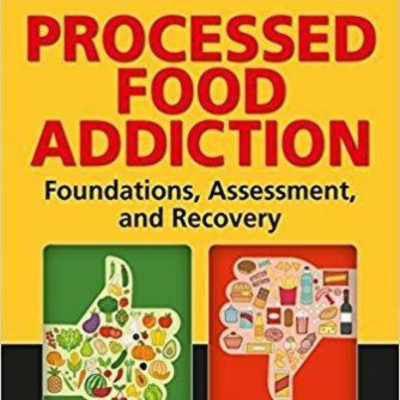
Recovery Books & Novels
The right books can be valuable companions in recovery. They can deepen your understanding, introduce practical strategies, and help you feel more confident as you build new patterns.
We have selected books that offer helpful insights into the brain, body, behavior, and recovery process. We hope these resources support your learning, encourage you, and provide tools you can use along the way.
Disclaimer: We receive a small affiliate commission when products are purchased through links on this page.

Kitchen Tools
The right tools can make recovery-supportive routines easier to practice each day. Helpful kitchen items can simplify food preparation, while other lifestyle devices can support movement, rest, stress regulation, and overall well-being.
We have selected practical products that can help reduce effort, strengthen healthy routines, and support the recovery process at home.
Disclaimer: We receive a small affiliate commission when products are purchased through links on this page.
Books
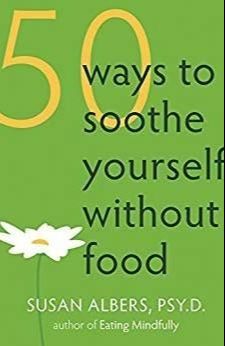
50 Ways to Soothe Yourself Without Food by Susan Albers
A lovely element of recovery from food addiction is recovery of brain function. This means release from cravings and reestablishment of functions such as learning, decision-making, memory, restraint, and satiation. We do this by soothing the brain. The suggestions in this book are valuable. However, brain-soothing alone is likely not enough to maintain steady recovery. We need a clean food plan and the company of like-minded people.

A Guide to the Food Addiction Reset Community (formerly know as the Intensive) Dr Joan Ifland's ARC program by Julie Bennett
Many people who are addicted to processed foods wonder how to start down the path of recovery. Bennett does a fine job of describing simple meals that can be the beginning of a new life. The point? Clean is easy and beautiful. Bennett shows us how.
Animal, Vegetable, Junk: A History of Food, from Sustainable to Suicidal by Mark Bittman
The story of humankind is usually told as one of technological innovation and economic influence—of arrowheads and atomic bombs, settlers and stock markets. But behind it all, there is an even more fundamental driver: Food.

Atlas of the Heart by Brene Brown
In Atlas of the Heart, Brown takes us on a journey through eighty-seven of the emotions and experiences that define what it means to be human. As she maps the necessary skills and an actionable framework for meaningful connection, she gives us the language and tools to access a universe of new choices and second chances—a universe where we can share and steward the stories of our bravest and most heartbreaking moments with one another in a way that builds connection.
Atomic Habits by James Clear
No matter your goals, Atomic Habits offers a proven framework for improving--every day. James Clear, one of the world's leading experts on habit formation, reveals practical strategies that will teach you exactly how to form good habits, break bad ones, and master the tiny behaviors that lead to remarkable results.
If you're having trouble changing your habits, the problem isn't you. The problem is your system. Bad habits repeat themselves again and again not because you don't want to change, but because you have the wrong system for change. You do not rise to the level of your goals. You fall to the level of your systems. Here, you'll get a proven system that can take you to new heights.
Binge Crazy by Natalie Gold
This is an outstanding book about how food addiction flourishes in the absence of information and support. It also shows how the right information and support can put the disease into remission. Ms. Gold is now a psychotherapist and so does a great job of developing the themes of devastation that food addiction can bring to a family. Gold also provides a thorough list of triggers at the end of the book, which is very valuable. It is a worthwhile read.

Breaking the Habit of Being Yourself by Joe Dispenza
Discover how to reprogram your biology and thinking, and break the habit of being yourself so you can truly change your mind and life.
Best-selling author, international speaker, chiropractor, and renowned researcher of epigenetics, quantum physics, and neuroscience, Dr. Joe Dispenza shares that you are not doomed by your genes and hardwired to be a certain way for the rest of your life.
New science is emerging that empowers all human beings to create the reality they choose.
In Breaking the Habit of Being Yourself, Dr. Joe Dispenza combines the fields of quantum physics, neuroscience, brain chemistry, biology, and genetics to show you what is truly possible and how to recondition the body and create better health.
Breath by James Nestor
There is nothing more essential to our health and well-being than breathing: take air in, let it out, repeat 25,000 times a day. Yet, as a species, humans have lost the ability to breathe correctly, with grave consequences. In Breath, journalist James Nestor travels the world to discover the hidden science behind ancient breathing practices to figure out what went wrong and how to fix it.
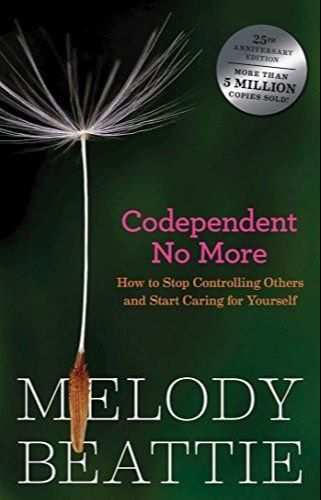
Codependent No More by Melody Beattie
Food addicts come into recovery with relationship sensitivity from being harshly and unfairly criticized for eating patterns. This is a serious issue for food addicts because stress from relationships can be a leading cause of relapse. This book helps us detach from other people's behavior and keep ourselves safe from stressful reactions that could lead to relapse..
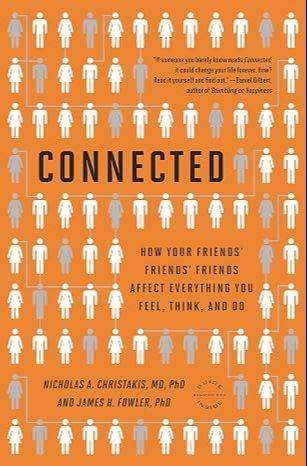
Connected: The Surprising Power of Our Social Networks and How They Shape Our Lives
Celebrated scientists Nicholas Christakis and James Fowler explain the amazing power of social networks and our profound influence on one another's lives.
Your colleague's husband's sister can make you fat, even if you don't know her. A happy neighbor has more impact on your happiness than a happy spouse. These startling revelations of how much we truly influence one another are revealed in the studies of Dr. Christakis and Fowler, which have repeatedly made front-page news nationwide.
In Connected, the authors explain why emotions are contagious, how health behaviors spread, why the rich get richer, even how we find and choose our partners. Intriguing and entertaining, Connected overturns the notion of the individual and provides a revolutionary paradigm-that social networks influence our ideas, emotions, health, relationships, behavior, politics, and much more. It will change the way we think about every aspect of our lives.
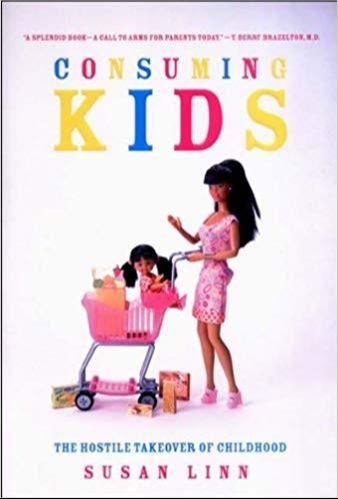
Consuming Kids by Susan Linn
Linn's knowledge of how children and parents are manipulated by commercialism is extensive. Commercial interests deliberately drive a wedge between sensible parents and children by teaching children how to nag parents for branded products. This book will give parents the courage to shield their children from harmful commercial exposure.
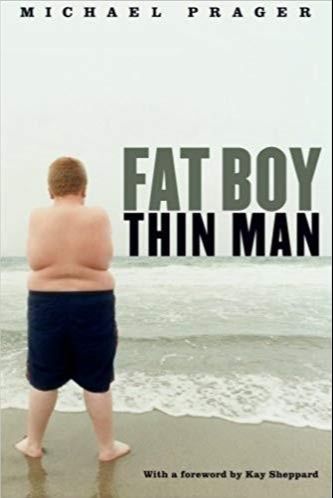
Fat Boy Thin Man by Michael Prager
This book reveals the devastation of food addiction for men. It is an eye-opener for anyone who thinks that food addiction affects women only. Prager is a former reporter for the Boston Globe. His writing style is easy and accessible.
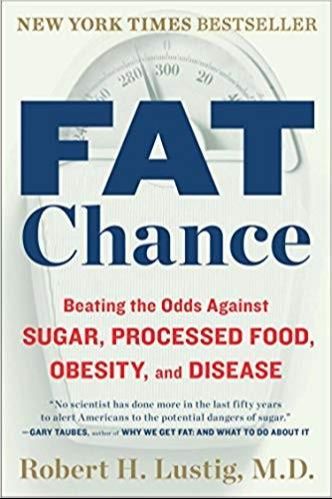
Fat Chance by Robert Lustig
Although this book seems to have been written in a stream-of-consciousness style, Robert Lustig has written a masterpiece showing how sugar and high fructose corn syrup affect people. He has an in-depth command of the research on this topic and weaves it into a convincing portrayal of an industry that has lost its moral bearings. This is a classic in the field.
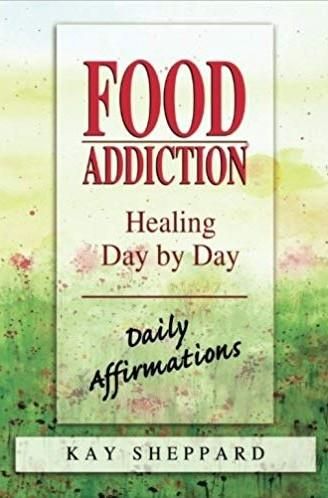
Food Addiction - Healing Day by Day By Kay Sheppard
Affirmations are incredibly powerful in recovering from food addiction. Kay Sheppard puts decades of experience into these helpful sayings that can make an important impact on our recovery. Where would we be without Kay Sheppard?
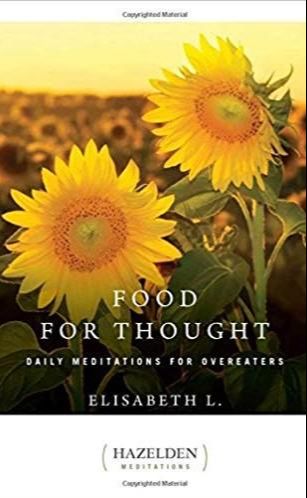
Food for Thought by Elisabeth L.
If you enjoy setting your mind to all the blessings of recovery, these books are for you. "Food for Thought" and "Inner Harvest" by Elizabeth L. are daily readers that remind us how life in recovery is a very good life indeed!
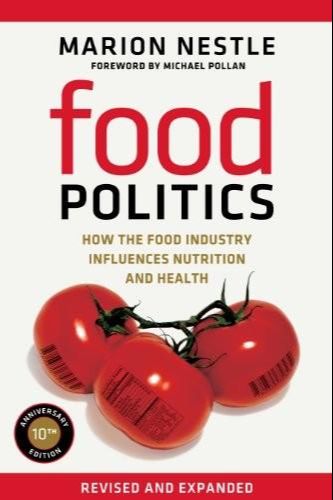
Food Politics by Marion Nestle
Marian Nestle is a pre-eminent scholar in the field of how the food industry exploits the public. The book is a classic explanation of why the food industry is allowed to prey on the public with adulterated processed foods. There are important lessons for food addicts in this book. Primarily, food addicts will gain an understanding of why the food industry is allowed to condition the brain to crave to the point of addiction. Knowing that government is complicit in the development of food addiction can help persuade us food addicts that, indeed, the development of food addiction is not our fault. Knowing that government is not preventing the disease helps food addicts believe that it's possible that the food industry is allowed to harm us.
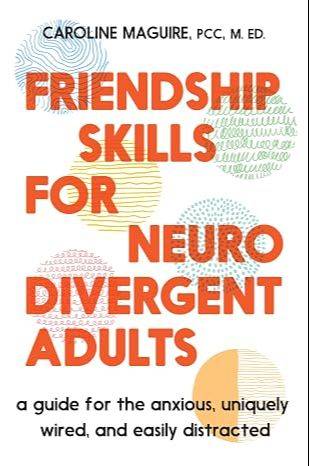
Friendship Skills For Neurodivergent Adults
From a social-emotional learning expert: a book providing simple, science-based, practical advice, including scripts, tips, and strategies to help neurodivergent adults who have ADHD, autism, or anxiety find the belonging and support of lifelong friendships they seek.
Friendship can be hard for many neurodivergent adults. There is an assumption that good, worthwhile friendships “should” come easy. However, for neurodivergent adults, there are brain-based reasons why friendship can feel less intuitive. From differences in the parts of the brain that are vital to managing the logistics of a fulfilling social life to difficulty with self-regulation, the way neurodiverse individuals experience social bonding and connection can feel unintuitive.
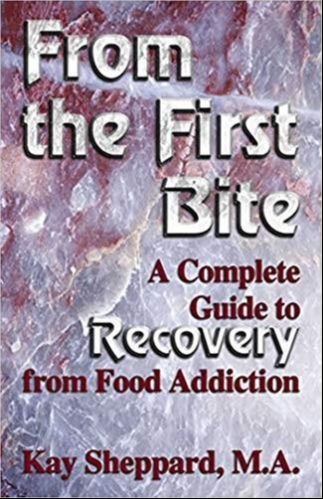
From the First Bite by Kay Sheppard
This book reveals so much about food addiction. Sheppard is no-nonsense in her approach, which is much needed by food addicts. In a world of fuzzy, unfocused books about overeating, this book is a bright light of clarity. Kay Sheppard has really defined the field of food addiction, and all food addicts should be familiar with her work.
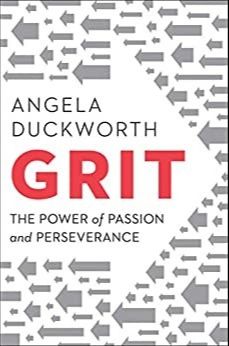
Grit: The Power and Passion of Perseverance by Angela Duckworth
The daughter of a scientist who frequently noted her lack of “genius,” Angela Duckworth is now a celebrated researcher and professor. It was her early eye-opening stints in teaching, business consulting, and neuroscience that led to her hypothesis about what really drives success: not genius, but a unique combination of passion and long-term perseverance.
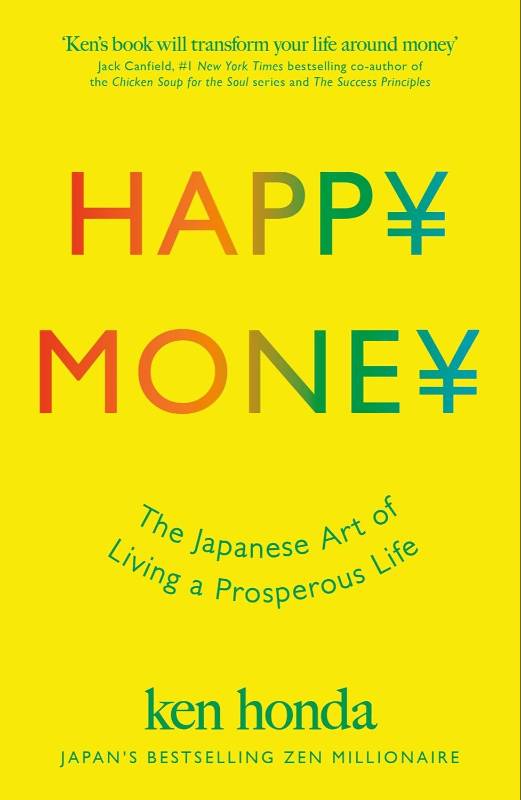
Happy Money: The Japanese Art of Living a Prosperous LIfe
Too often, money is a source of fear, stress, and anger, often breaking apart relationships and even ruining lives. We like to think money is just a number or a piece of paper, but it is so much more than that. Money has the ability to smile, it changes when it is given with a certain feeling, and the energy with which it imbues us impacts not only ourselves, but others as well.
Although Ken Honda is often called a “money guru,” his real job over the past decade has been to help others discover the tools they already possess to heal their own lives and relationships with money. Learn how to treat money as a welcome guest, allowing it to come and go with respect and without resentment; understand and improve your money EQ; unpack the myth of scarcity; and embrace the process of giving money, not just receiving it.
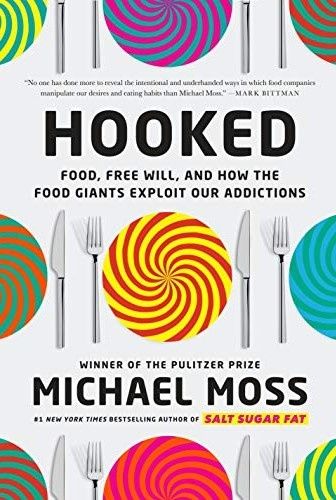
Hooked: Free Will, and How the Food Giants Exploited Our Addictions by Michael Moss
Everyone knows how hard it can be to maintain a healthy diet. But what if some of the decisions we make about what to eat are beyond our control? Is it possible that food is addictive, like drugs or alcohol? And to what extent does the food industry know, or care, about these vulnerabilities? In Hooked, Pulitzer Prize-winning investigative reporter Michael Moss sets out to answer these questions—and to find the true peril in our food.

Lick the Sugar Habit
by Nancy Appleton
This was an early classic in the field of food addiction. Nancy Appleton pulled together the research to show the harmful effects of sugar. Today, we know that the recommendation to use wheat flour at the end of the book is not a good idea for food addicts. Otherwise, the book is still a persuasive look at the toxic effects of sugar.
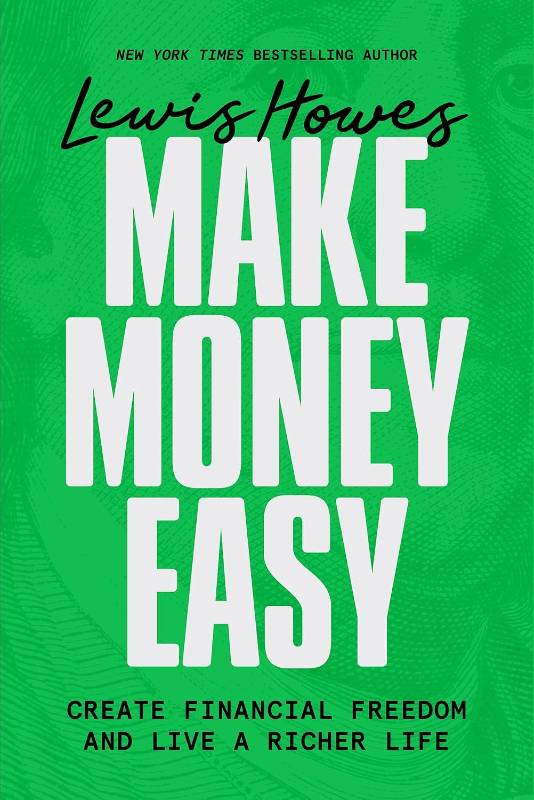
Make Money Easy
Are you tired of living paycheck to paycheck? Do you feel trapped by all your expenses every month? Do you wonder how some people enjoy financial peace and freedom while others seem stuck?
Your relationship with money begins with having the right mindset. Until you learn how to shift your thoughts, feelings, and behaviors around money, you’ll keep doing what you’ve always done. And get the same results.
Leveraging insight gleaned from the many financial experts featured on the School of Greatness show, the latest research around the psychology of money, and his own journey to success, Lewis Howes offers the practical advice and mindset reframing to make the peace and fulfillment you desire a day-to-day reality.
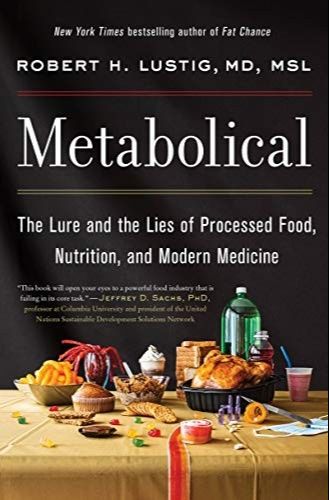
Metabolical: The Lure and the Lies of Processed Food, Nutrition and Modern Medicine by Robert Lustig
You can’t solve a problem if you don’t know what the problem is. One of Lustig’s singular gifts as a communicator is his ability to “connect the dots” for the general reader in order to unpack the scientific data and concepts behind his arguments as he tells the “real story of food” and “the story of real food.”
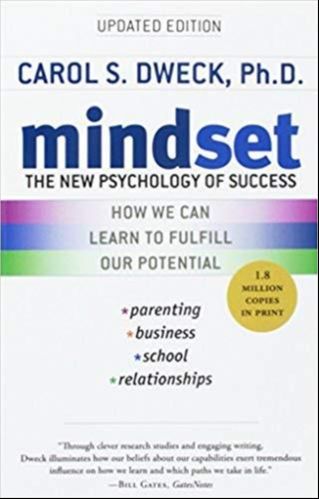
Mindset by Carol S. Dweck
One of the best books I've read on this subject. Dweck's book is grounded in solid psychology and insightful research. This book comes as a challenge that will leave you wanting to develop the growth mindset. Changing our perception is crucial in finding our way out of processed food addiction.
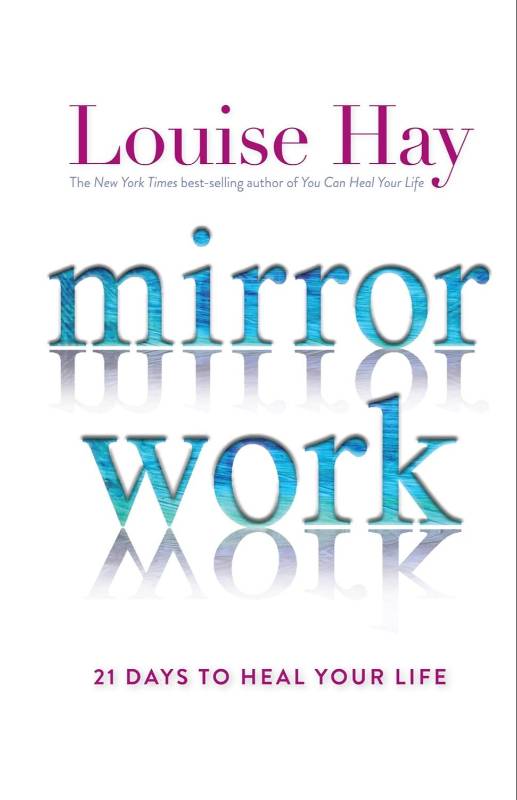
Mirror Work
AN ESSENTIAL SELF-CARE GUIDEBOOK FROM THE NEW YORK TIMES BESTSELLING AUTHOR OF YOU CAN HEAL YOUR LIFE
LOUISE HAY’S 21 DAY SIGNATURE DAILY PRACTICE FOR LEARNING HOW TO LOVE YOURSELF BASED ON HER MOST POPULAR VIDEO COURSE, LOVING YOURSELF
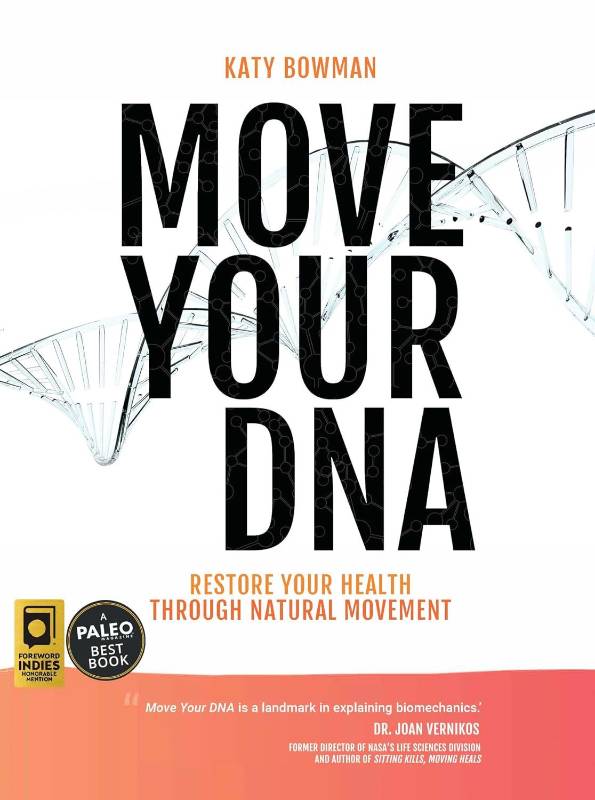
Move Your DNA: Restore Your Health Through Natural Movement
It’s often said that "movement is medicine," but rarely is the how behind the power of movement explained. It’s not only our whole body that’s moving; our cells are being moved as our limbs push and pull to locomote us around, and each movement moves our cells uniquely.
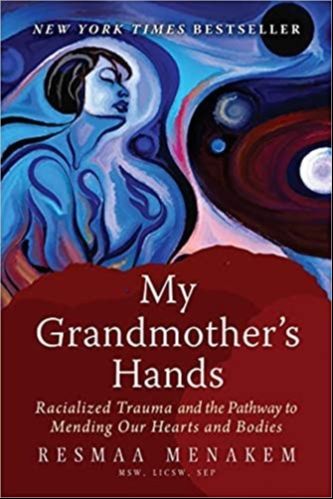
My Grandmother's Hands by Resmaa Menakem
"My Grandmother's Hands will change the direction of the movement for racial justice." (Robin DiAngelo, New York Times best-selling author of White Fragility)
In this groundbreaking book, therapist Resmaa Menakem examines the damage caused by racism in America from the perspective of trauma and body-centered psychology.
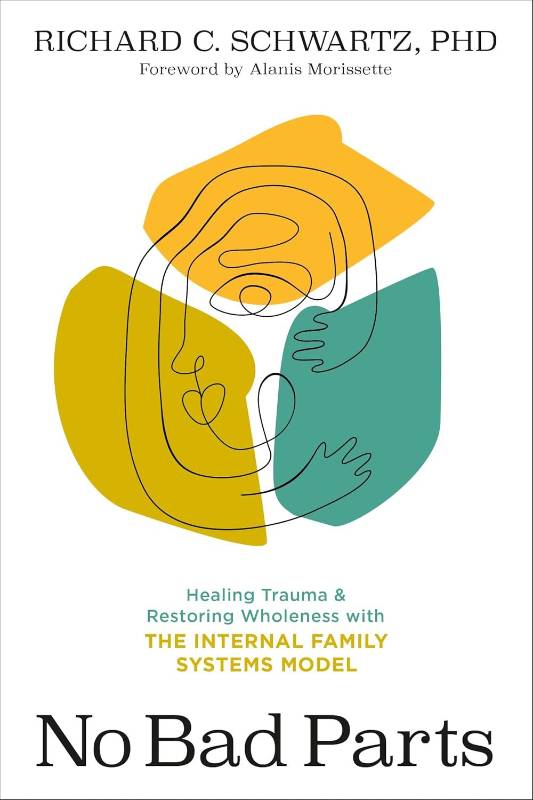
No Bad Parts
Discover an empowering new way of understanding your multifaceted mind―and healing the many parts that make you who you are.
Is there just one “you”? We’ve been taught to believe we have a single identity, and to feel fear or shame when we can’t control the inner voices that don’t match the ideal of who we think we should be. Yet Dr. Richard Schwartz’s research now challenges this “mono-mind” theory. “All of us are born with many sub-minds―or parts,” says Dr. Schwartz. “These parts are not imaginary or symbolic. They are individuals who exist as an internal family within us―and the key to health and happiness is to honor, understand, and love every part.”
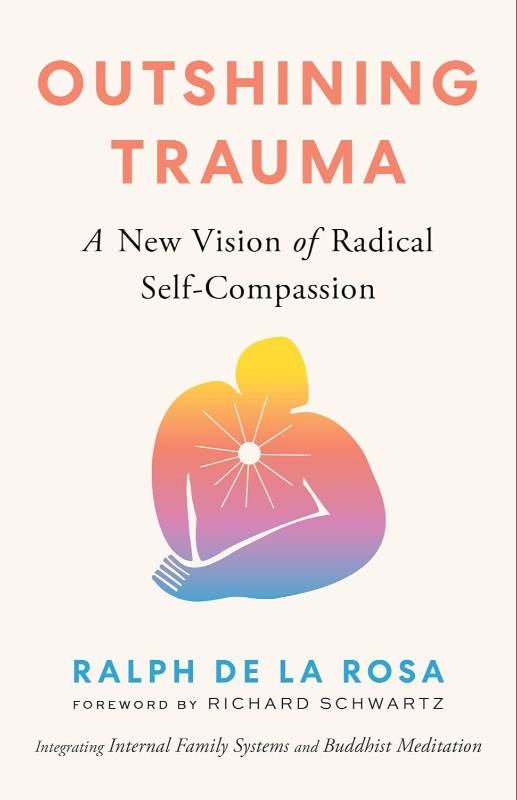
Outshining Trauma
If you’re among those who’ve tried therapy and meditation but wonder why you still suffer repetitive patterns and emotions, Outshining Trauma is for you. De La Rosa places the innovative, evidence-based model of IFS in the context of Buddhist meditation to show that the process of healing trauma can lead you to your deepest spiritual nature.

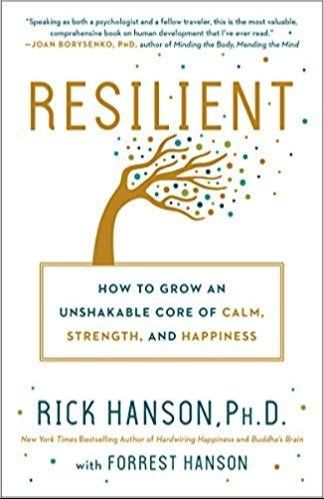
Resilient by Rick Hanson
This is one of the most useful books I have ever read. We read this book in the Addiction Reset Community (ARC) to reframe how we view ourselves and increase the positives. I am truly grateful for this book and the gentle, loving spirit that runs through every chapter.
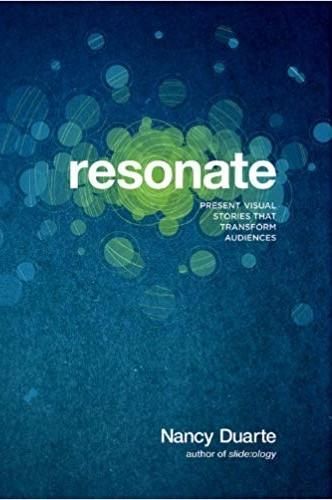
Resonate: Present Visual Stories that Transform Audiences by Nancy Duarte
This is an important book for food addicts for the simple reason that it tells us how to tell stories. When we can tell our stories, we become powerful. So telling stories about what happened to us allows us to move past our past. Telling stories about how we would like to be allows us to control how we move into the future of our choice.
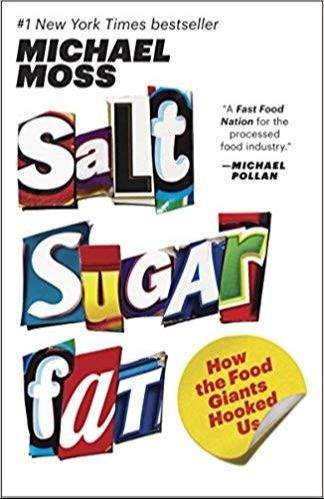
Salt Sugar Fat by Michael Moss
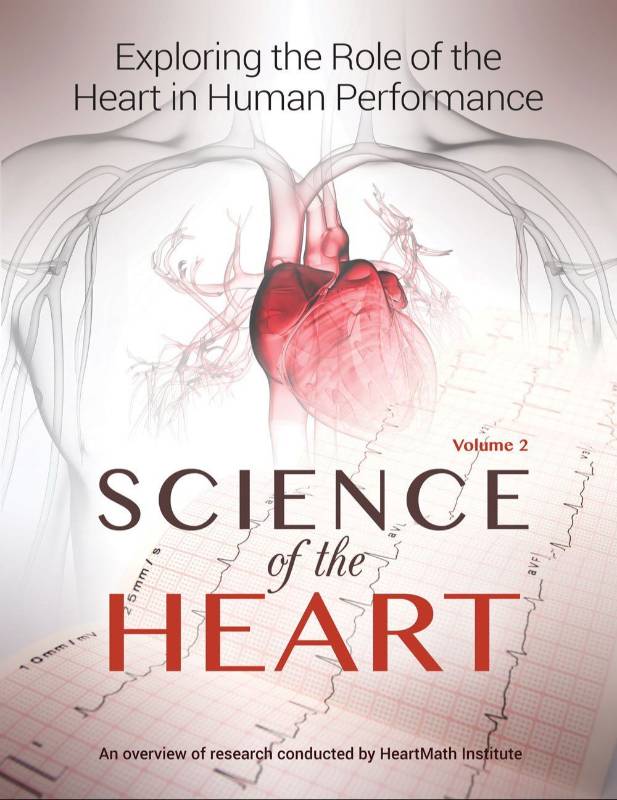
Science of the Heart
The Science Behind the HeartMath System (1993 to 2016) Explore intriguing aspects of the science of the heart, much of which is still relatively not well known outside the fields of psychophysiology and neurocardiology. Learn about research that bridges the science of the heart and the highly practical, evidence-based skill set known as the HeartMath System. This insightful and comprehensive monograph provides fundamental and detailed summaries of HeartMath Institute s many years of innovative research. It presents brief overviews of heart rate variability, resilience, coherence, heart-brain interactions, intuition and the scientific discoveries that shaped techniques developed to increase personal and social fulfillment and effectiveness.
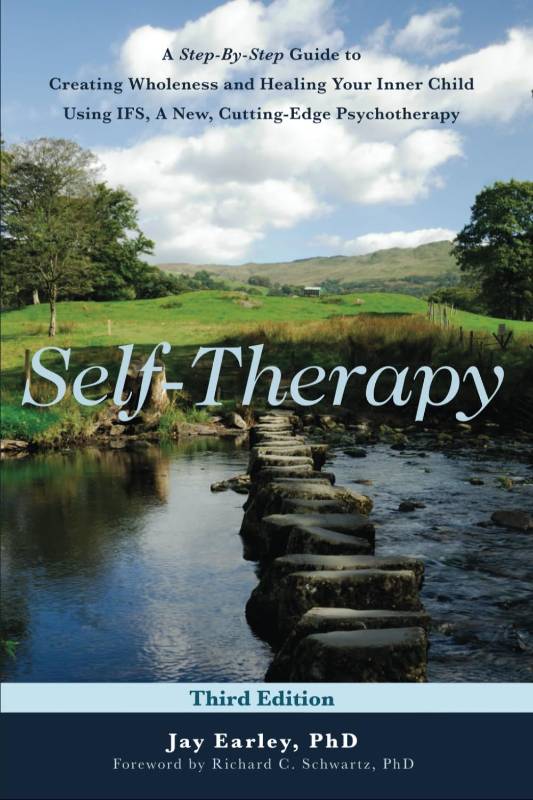
Self-Therapy
Understand your psyche in a clear and comprehensive way, and resolve deep-seated emotional issues. Self-Therapy makes the power of a cutting-edge psychotherapy approach accessible to everyone. Internal Family Systems Therapy (IFS) has been spreading rapidly across the country and the world. It is incredibly effective on a wide variety of life issues, such as self-esteem, procrastination, depression, and relationship issues. IFS is also user-friendly; it helps you to comprehend the complexity of your psyche. Dr. Earley shows how IFS is a complete method for psychological healing that you can use on your own.Self-Therapy is also helpful for therapists because it presents the IFS model in such detail that it is a manual for the method.
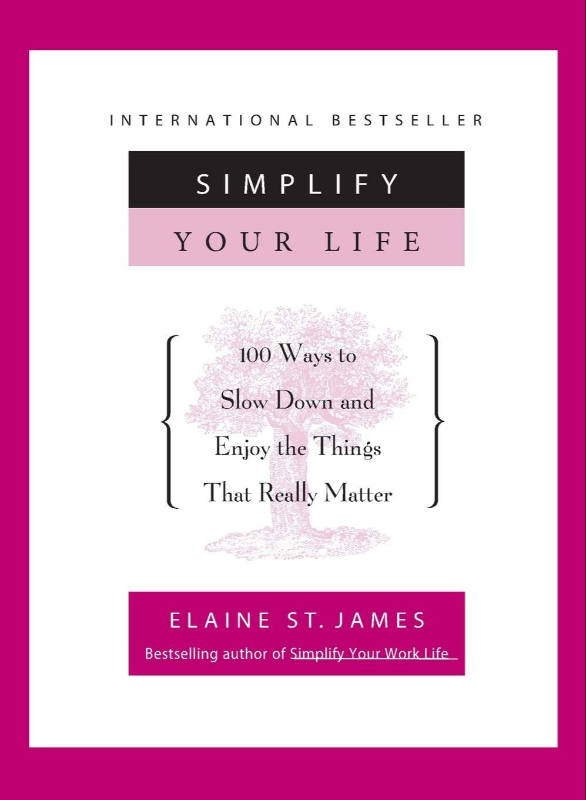
Simplify Your Life: 100 Ways to Slow Down and Enjoy the Things That Really Matter by Elaine St. James
The more complex life becomes, the more people crave simplicity. Whether it's in your work, relationships, health, finances, or leisure time, North America's simplicity expert Elaine St. James can help you learn to unwind and improve the quality of your life. If you're feeling over-powered, overextended, and overwhelmed, Simplify Your Life is the antidote, providing one hundred proven, practical steps for creating a simple and satisfying way of life.
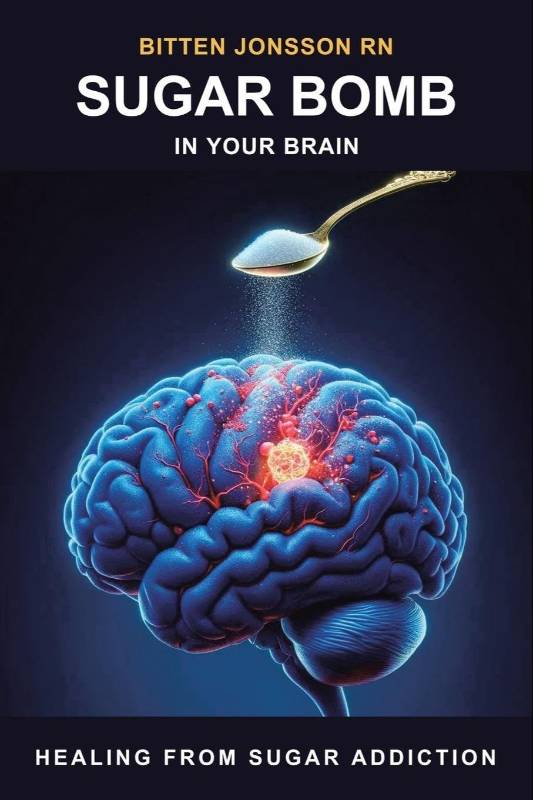
Sugar Bomb in Your Brain; Healing From Sugar Addiction
This is a book for anyone who recognizes the following behaviors and struggles – and for those concerned about a loved one with these behaviors. Is this you, or someone you care about? Have you felt shame over your “hiding, lying, or sneaking” behavior with sugar and carbs? How many times have you tried to diet, only to feel like you’ve failed? How many times have you lost weight, only to return to sugar and ultra-processed foods – and gain it all back… and more? Do you wake up feeling hungover – not from alcohol, but from sugar?
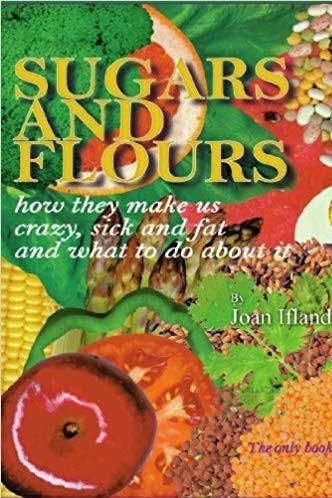
Sugars and Flours by Joan Ifland
Although this book was published in 2000, it still offers valuable guidance for recovering food addiction. However, the food list is out of date. Please click HERE for an up-to-date food plan.
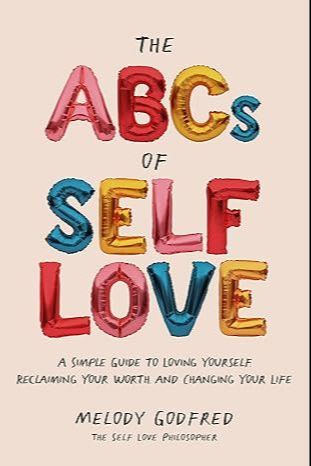
The ABCs of Self Love: A Simple Guide to Loving Yourself, Reclaiming Your Worth, and Changing Your Life by Melody Godfred
With a refreshing take on every letter of the alphabet, this illustrated self love workbook uses poetry, real-life examples, and journaling prompts to help you intuitively understand foundational concepts like authenticity, boundaries, forgiveness, and progress over perfection
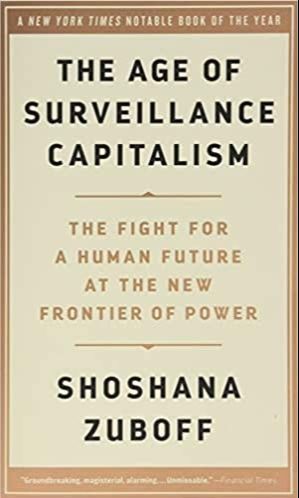
The Age of Surveillance Capitalism by Shoshana Zuboff
In this masterwork of original thinking and research, Shoshana Zuboff provides startling insights into the phenomenon that she has named surveillance capitalism. The stakes could not be higher: a global architecture of behavior modification threatens human nature in the twenty-first century just as industrial capitalism disfigured the natural world in the twentieth.
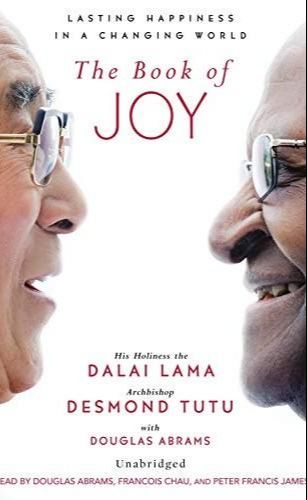
The Book of Joy by Dalai Lama, Desmond Tutu and Douglas Abrams
So many of us have been so sad for so long that we literally don’t know how to be calm and happy. It feels strange. I would recommend this book in audio format (from Audible.com) because it is in the format of a conversation… a beautiful conversation about how to be happy in spite of the worst oppression in the world. If the Dalai Lama can be happy in spite of the Chinese invasion of Tibet, and Desmond Tutu can be happy in spite of the atrocities visited upon South Africa, we also can be happy in spite of traumatic exploitation by the food industry. This book will show you how.
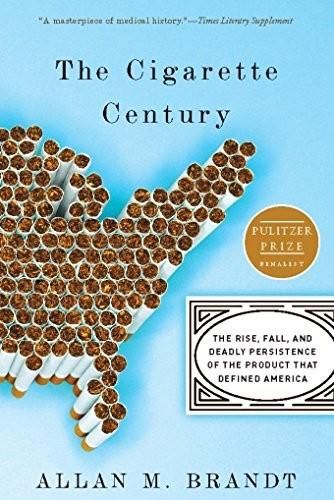
The Cigarette Century by Allan M. Brandt
This book describes in chilling detail how the tobacco companies addicted millions of adults in the 20th century. This book is very important to understanding the business practices of the food industry. As is generally known, the tobacco industry bought major corporations in the food industry starting in the mid-1980s. The tobacco executives taught the food industry the business practices described in this book. The ruthless marketing of processed foods to children, easy availability, cheap prices, heavy advertising, and reinforced addictive properties in the product have all been passed down from the tobacco industry to the food industry. This is a compelling read. Dr. Brandt is a professor of history and science at Harvard University.
The Eating Addiction Relapse Prevention Workbook Developed by Dr Stephen F. Grinstead and Dr Shari Stillman-Corbett
This is an excellent book if you are serious about moving from addiction to recovery. The questions are right on target with honest evaluation of attitudes and behaviors. An invaluable resource.

The Hacking of the American Mind
by Robert Lustig
This book confirms and broadens what we know about the addictive properties of processed foods. Dr. Lustig explains our behavior by linking it to science. This really helps us understand and forgive ourselves, as well as focus our recovery on what works
The Happiness Trap
In The Happiness Trap, Dr. Russ Harris provides a means to escape the epidemic of stress, anxiety, and depression, unlocking the secrets to a truly fulfilling life.
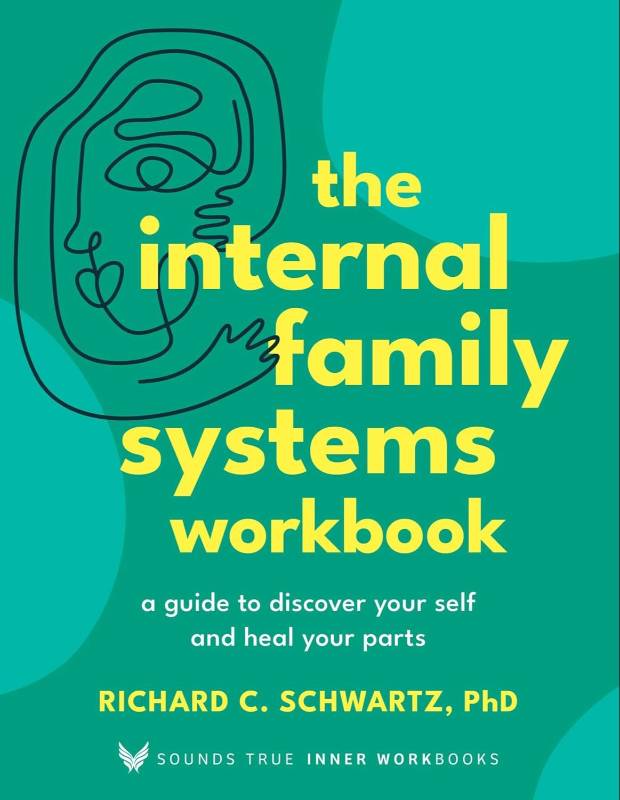
The Internal Family Systems Workbook
The Internal Family Systems (IFS) model teaches that each of us is not a single personality. Rather, we carry in us a “family” of distinct inner parts that hold our many hurts and conflicts―and that we can heal in order to live with more confidence, courage, and connection. With The Internal Family Systems Workbook, Dr. Schwartz presents an invaluable tool to help you learn about IFS and apply it to your own life―on your own time and at your own pace.

The Language of Letting Go by Melody Beattie
Melody Beattie integrates her own life experiences and fundamental recovery reflections in this unique daily meditation book written especially for those of us who struggle with the issue of codependency.
Problems are made to be solved, Melody reminds us, and the best thing we can do is take responsibility for our own pain and self-care. In this daily inspirational book, Melody provides us with a thought to guide us through the day and she encourages us to remember that each day is an opportunity for growth and renewal.
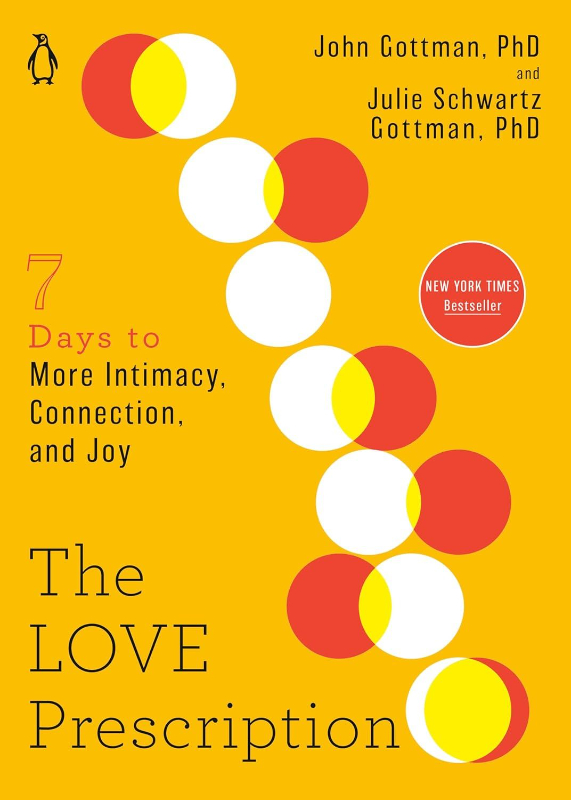
The Love Prescription: Seven Days to More Intimacy, Connection, and Joy by John Gottman PhD, Julie Schwartz Gottman PhD
Drs. John Gottman and Julie Schwartz Gottman are the world’s leading relationship scientists. For the past forty years, they have been studying love. They’ve gathered data on over three thousand couples, looking at everything from their body language to the way they converse to their stress hormone levels. Their goal: to identify the building blocks of love.
The Love Prescription distills their life’s work into a bite-size, seven-day action plan with easy, immediately actionable steps. There will be no grand gestures and no big, hard conversations. There’s nothing to buy or do to prepare. Anyone can do this, from any starting point.
The Mindful Self-Compassion Workbook by Kristen Neff and Christopher Germer
Do you beat yourself up a lot? Are you harshly self-critical? Then Neff and Germer's workbook on self-compassion might be the exact book for you. It has certainly been very helpful to me. It is very well written with a reader-friendly layout.
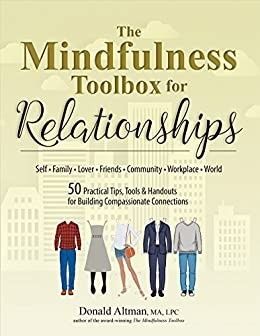
The Mindfulness Toolbox for Relationships by Donald Altman
Whether loving or stressful, or both, balancing these relationships is tough. Fortunately, mindfulness practices show you how to make lasting relationships that are more manageable, meaningful, compassionate, and collaborative.
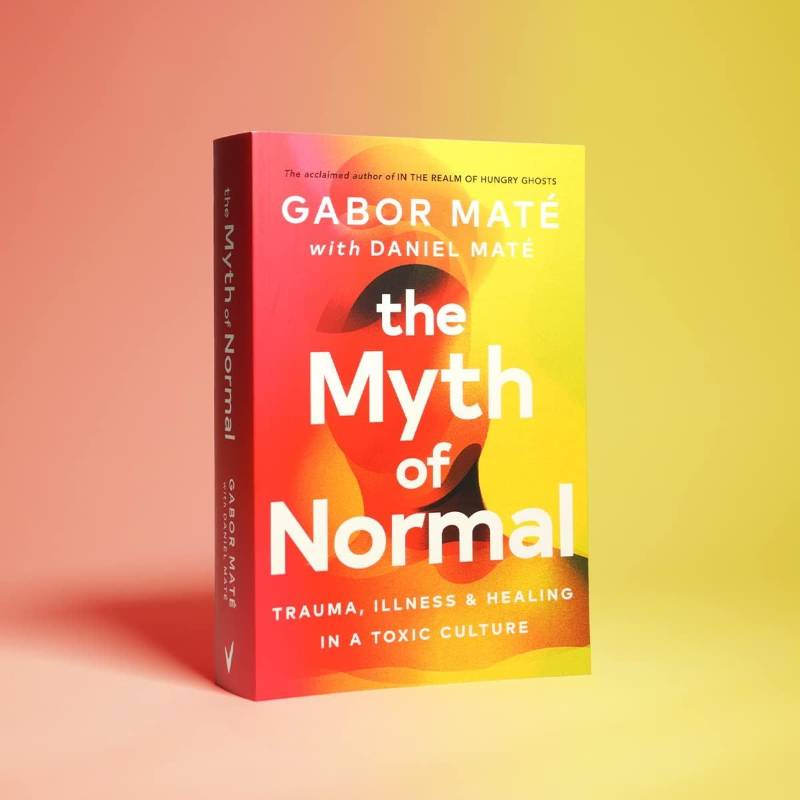
The Myth of Normal
The Myth of Normal: Trauma, Illness & Healing in a Toxic Culture by Gabor Maté is a groundbreaking exploration of how modern society impacts our mental and physical well-being. Drawing on decades of clinical experience, Dr. Maté challenges conventional beliefs about health, revealing the deep connections between trauma, stress, and chronic illness.


The Power is Within You by Louise Hay
The more you connect to the Power within you, the more you can be free in all areas of your life.
This inspiring book will help you have confidence and overcome the blocks, limiting beliefs, and barriers to loving yourself out of the way, so you can love yourself no matter what circumstance you happen to be going through..
The Science of Getting Rich
THIS book is pragmatical, not philosophical; a practical manual, not a treatise upon theories. It is intended for the men and women whose most pressing need is for money; who wish to get rich first and philosophize afterward. It is for those who have, so far, found neither the time, the means, nor the opportunity to go deeply into the study of metaphysics, but who want results and who are willing to take the conclusions of science as a basis for action, without going into all the processes by which those conclusions were reached.
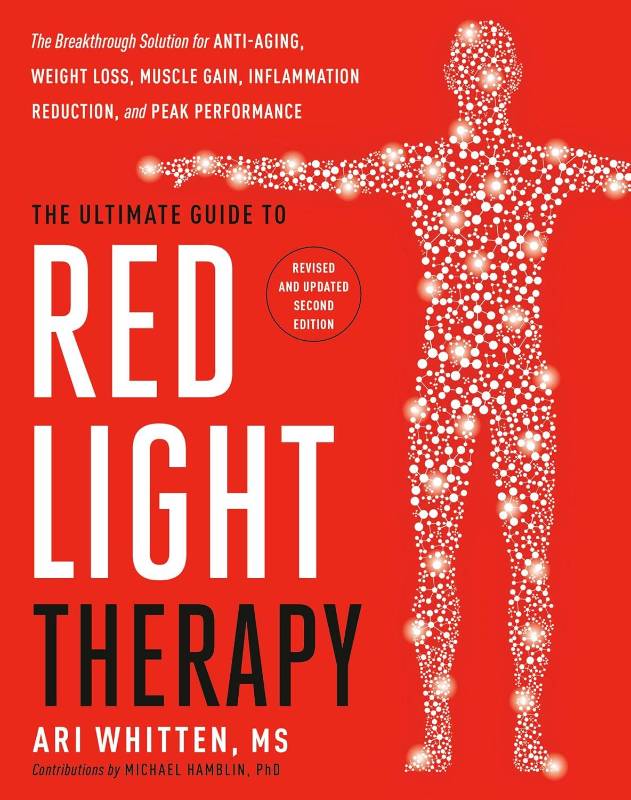
The Ultimate Guide to Red Light Therapy
Light has the power to heal your body and optimize your health. There are over six thousand peer-reviewed scientific studies showing the proven health benefits of red and near-infrared light therapy, also known as photobiomodulation (the science of using light to modulate biology). In The Ultimate Guide to Red Light Therapy, Ari Whitten, MS, cuts through all of the confusion around this complex topic. He explores the science behind this therapy and reveals how to harness its power to improve your health, your body, and your life.
The Undoing Project by Michael Lewis
This is the history of how scientists realized that they could employ science to manipulate us into buying stuff we don’t need, even stuff that would harm us. It’s also the beautiful story of a friendship between two psychologists, one of whom won the Noble Prize for their work. Great stories ranging from France in WWII to the birth of Israel to the academic institutions of the West Coast of the US. Totally fascinating
Ultra-Processed Women
Everyone is talking about ultra-processed food (UPF) and its impact on our health – but what about women? Is this very modern way of eating having a unique and specific impact on the female body? Are these ‘industrially produced food-like items in plastic packets’ that many of us consume particularly damaging to women’s health?
In Ultra-Processed Women, acclaimed journalist and women’s health advocate Milli Hill uncovers the shocking truth. From period pain and weight gain to depression, hormone imbalances, autoimmune conditions and even Alzheimer’s, Hill reveals cutting-edge research into the hidden dangers that lurk in your daily food choices.
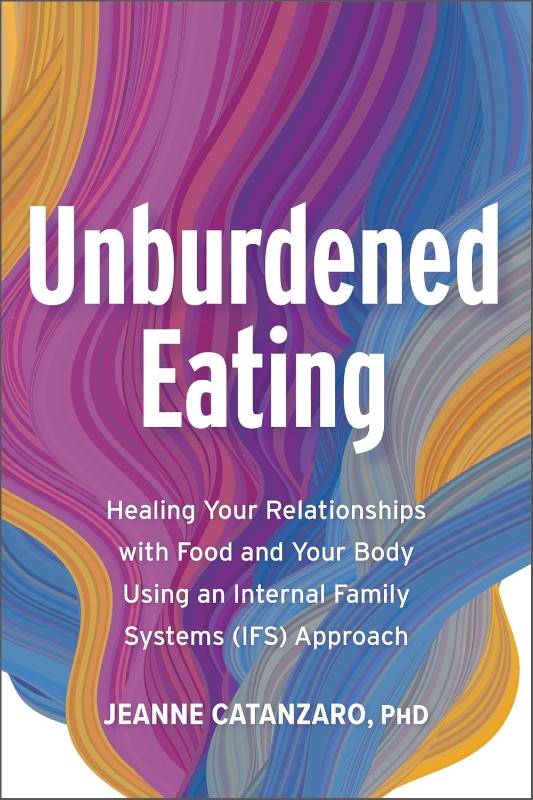
Unburdened Eating
From the time we are born, we are inundated with messages about our bodies―what we should eat, how we should look, and how we should move to achieve certain standards. The pressure to conform is higher for those who don't fit into what society values: youth, thinness, whiteness, fitness, health, and able-bodiedness.
But what if you could let go of the chronic shame, judgment, and self-loathing you hold about food and your body? What if you no longer needed to look for the latest diet, cleanse, or wellness plan to feel better about yourself? What if you could free yourself of all these burdens?
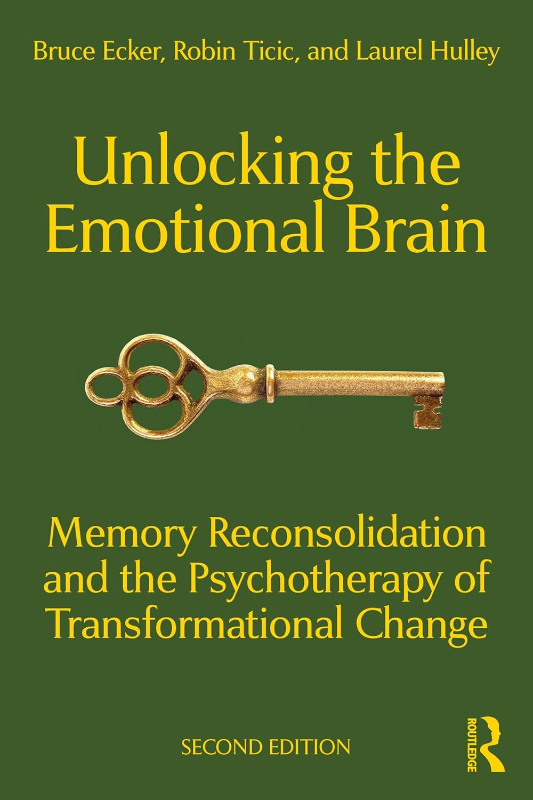
Unlocking the Emotional Brain by Bruce Ecker, Robin Ticic, Laurel Hulley
This highly influential volume, now in a much-expanded second edition, delivers major advances for psychotherapy, all empirically grounded in memory reconsolidation neuroscience. A great increase of therapeutic effectiveness can be gained, thanks to a clear map of the brain's innate core process of transformational change―a process that does not require use of any particular system or techniques and is therefore remarkably versatile.
Useful Delusions: The Power and Paradox of the Self-deceiving brain by Shanker Vedantam and Brain Mesler
Self-deception does terrible harm to us, to our communities, and to the planet. But if it is so bad for us, why is it ubiquitous? In Useful Delusions, Shankar Vedantam and Bill Mesler argue that, paradoxically, self-deception can also play a vital role in our success and well-being.
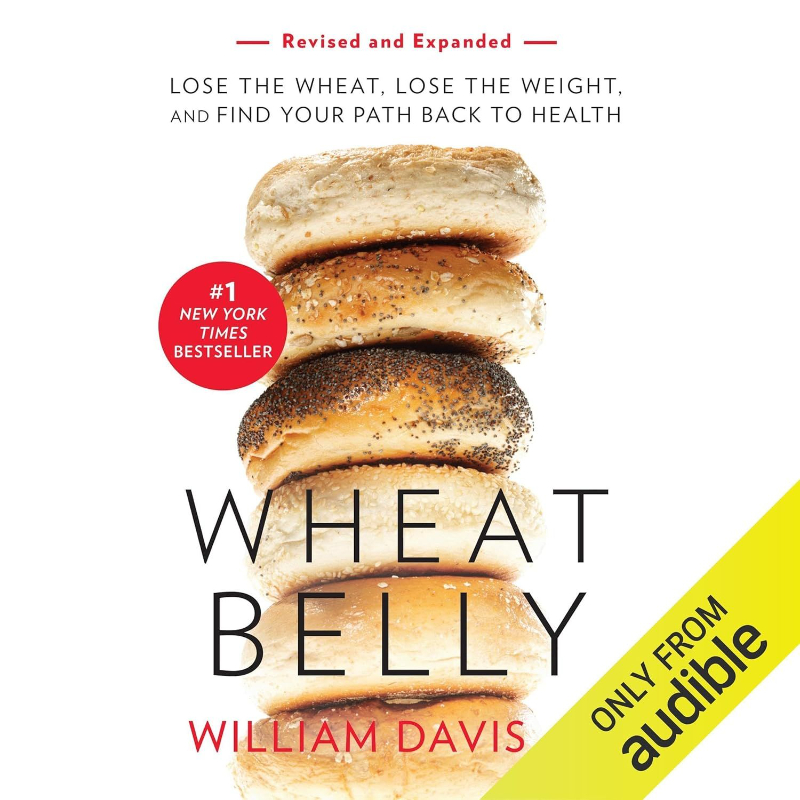
Wheat Belly by William Davis MD, Eric Burgher, et al.
After witnessing thousands of patients regain their health after giving up wheat, Davis reached the disturbing conclusion that wheat is the single largest contributor to the nationwide obesity epidemic—and its elimination is key to drastic weight loss and optimal health. In Wheat Belly, Dr. Davis provides listeners with a user-friendly, step-by-step plan to navigate a new wheat-free lifestyle. Now updated with refreshed recipes, new program guidelines, and cutting-edge nutritional findings, Wheat Belly is an illuminating look at what truly is making Americans sick and an action plan to clear our plates of this harmful ingredient.
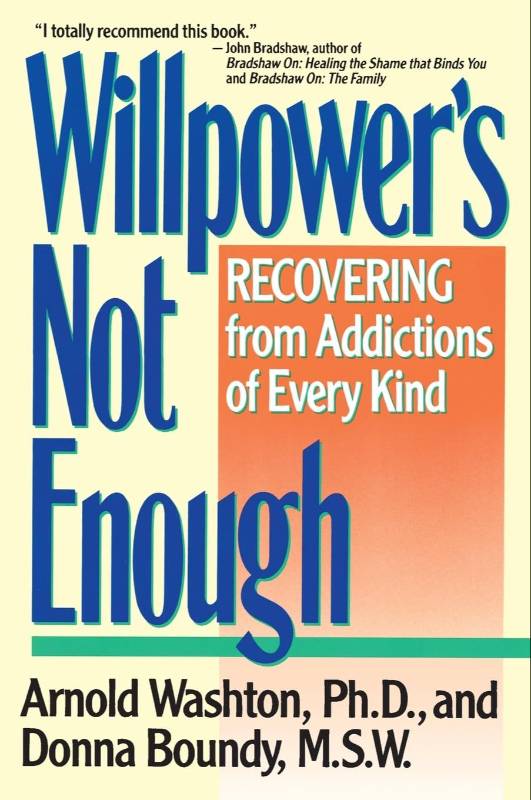
Willpower's Not Enough
Many people think that what the addict needs is willpower, but nothing could be further from the truth: When a person has already lost control over a drug or activity, attempts to control its use almost never work. Because the source of addiction isn't the drug or activity itself but a desire for a mood changer, successful recovery means ultimately changing the way we live, giving up the addictive life-style. Willpower's Not Enough will show you how to change your life-style and to recover from your addiction.
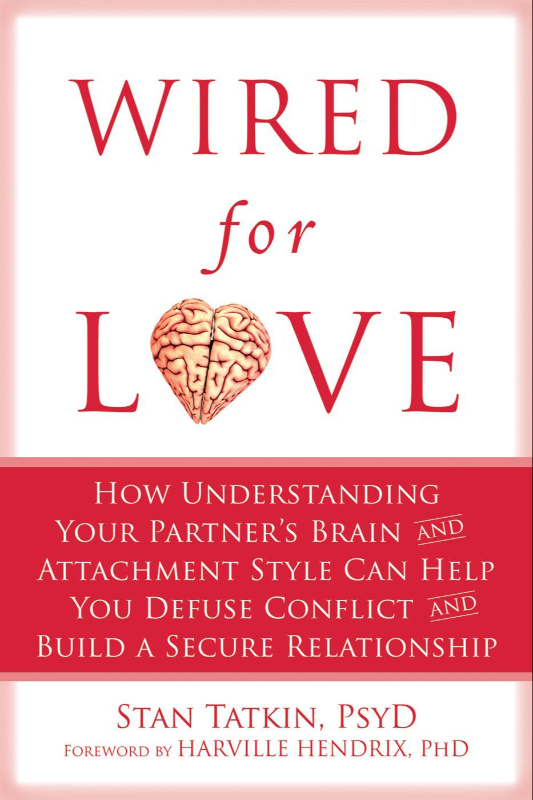
Wired for Love: How Understanding Your Partner's Brain and Attachment Style Can Help You Defuse Conflict and Build a Secure Relationship by Stan Tatkin
Wired for Loveis a complete insider’s guide to understanding your partner’s brain and enjoying a romantic relationship built on love and trust. Synthesizing research findings on how and why love lasts drawn from neuroscience, attachment theory, and emotion regulation, this book presents ten guiding principles that can improve any relationship.

You Can Heal Your Life by Louise Hay
In this inspirational book by the late world-renowned bestselling author and self-help pioneer Louise Hay, you’ll find profound insight into the relationship between the mind and the body.
Exploring the way that limiting thoughts and ideas control and constrict us, she offers us a powerful key to understanding the roots of our physical dis-eases and discomforts. Full of positive affirmations, this practical guidebook will change the way you think forever!
Novels
In recovery from food addiction, we realize that a clean, balanced food plan is only about 25% of a comprehensive program. It's very helpful to find activities that restore brain function while protecting the brain from damaging exposure to stress and food cues. Reading for pleasure is one of those restorative activities. This page contains books which are fun to read and avoid strongly triggering passages. Reading is a great way to reduce harmful activities such as watching television. Enjoy!


Love in the Time of Cholera
by Gabriel Garcia Marquez
This book is a triumph of patience and determination against great odds. The central character is a relationship. The clarity of the protagonist is striking as he identifies his desire and waits decades for fulfillment. Many food addicts have also had to wait for decades to realize their desires. This book will encourage us to wait with expectation of success.


The Goldfinch
by Donna Tartt
This is a long book that starts with a loss and moves through passages of great difficulty before arriving at peace. The central character starts as a young boy. His process of becoming a man of integrity could be an analogy for food addicts' passage from painful dependence to glorious freedom from doubt and confusion
Kitchen Tools & Other Lifestyle Devices
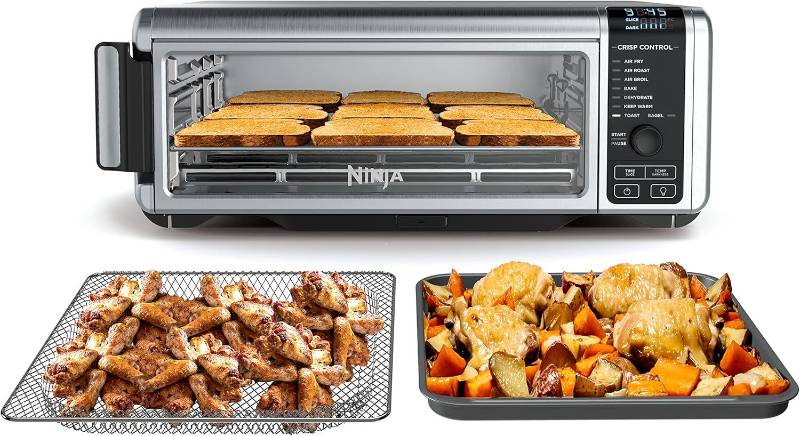
Air Fryer
8-IN-1 VERSATILITY: The ultimate meal-making machine with 8-in-1 functionality: Air Fry, Air Roast, Air Broil, Bake, Bagel, Toast, Dehydrate, and Keep Warm all in one powerful, 1800-watt appliance. The height of the interior of this machine is approximately 3".

Slow Cooker
Our most-used kitchen tool for simple, reliable meal prep. It makes batch cooking easy and allows you to prepare meals even while you’re away.
Food Processor/Blender
A versatile all-in-one system that handles blending, chopping, crushing, and more—making it easier to prepare a wide range of meals with fewer tools and less cleanup.

Food Scale
For those who find it helpful, a food scale can bring a sense of clarity and consistency to portions—supporting a balanced approach of not too much and not too little.

Instant Pot
An Instant Pot is a versatile tool for preparing simple, whole meals quickly and easily. Its pressure cooking helps preserve nutrients while developing rich flavor without extra effort. With multiple functions in one device, it can replace several other kitchen appliances—saving valuable countertop space while making everyday meal prep more convenient.

Measuring Cups & Spoons
If you’re looking to replace plastic measuring cups and spoons, these are a great option—durable, solid, and built to last for years.
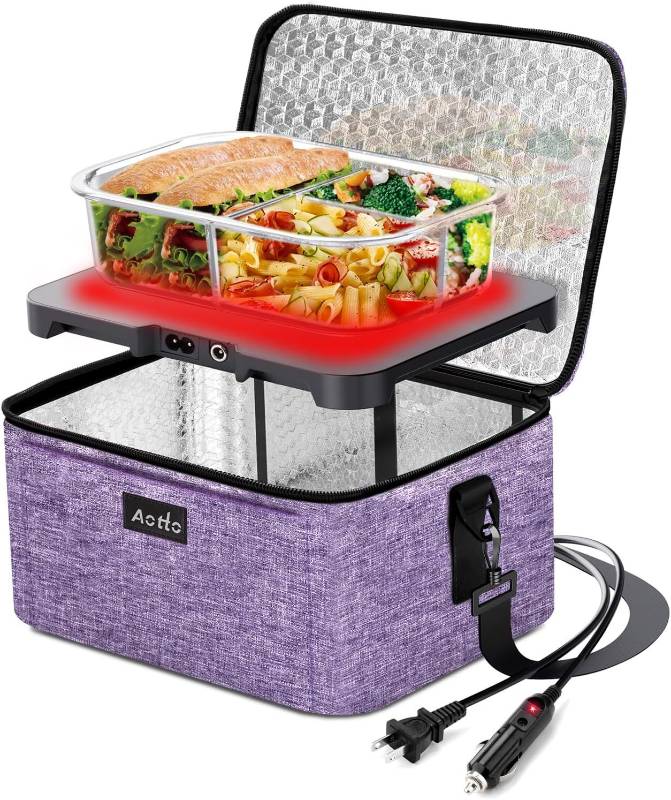
Portable Electric Lunch Box
This 3-in-1 portable food warmer heats your food evenly without drying it out and preserves moisture & nutrition, giving you warm tasty food more conveniently. A mini portable oven with 12 volt & 24 volt, 110 volt connectors, ideal for reheating and cooking healthy dishes, boxed meals and leftovers while you work on the road, traveling, or in the office, field, at home, potlucks, or you are tired of cold and unhealthy food or waiting in line for the office microwave.
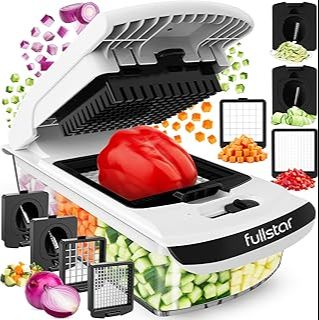
Vegetable Chopper
A quick, easy way to simplify daily prep. This large-capacity chopper handles chopping and dicing in seconds, helping reduce time and effort in the kitchen. It’s simple to use, easy to clean, and a practical tool for keeping meal preparation consistent and manageable.
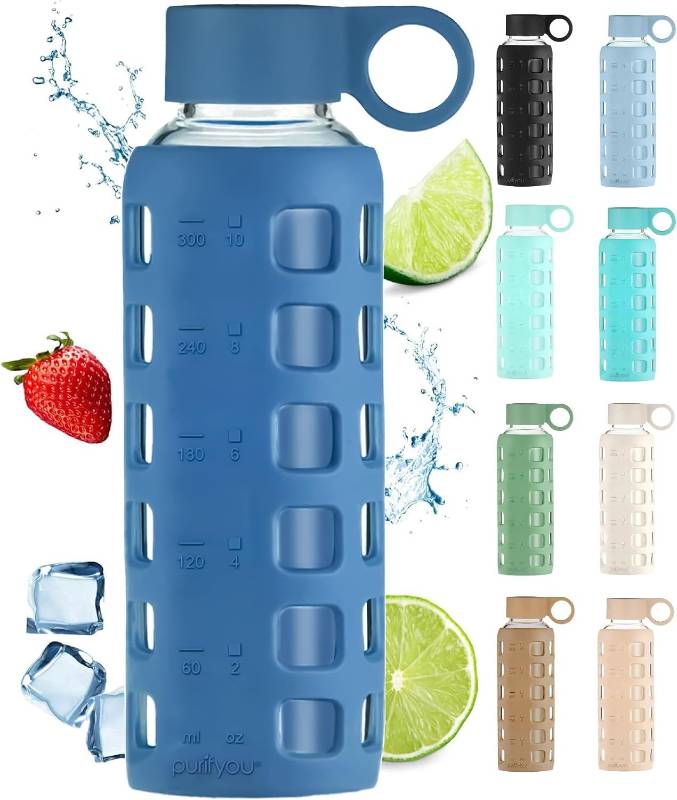
Water Bottle
Safe Drinking Use: Borosilicate glass bottles are free from plastic, BPA, l ead, and other unwanted substances. They keep beverages fresh without altering taste. Not suitable for carbonated beverages. Each set includes care tips, a usage guide, and warranty information.

Megahome Countertop Water Distiller
This has helped us move away from poor-quality filtered and tap water.

Tablet Pillow Stand
This multi angle pillow ipad tablet stand has 6 adjustment options, allow you to find the best viewing angle on the bed, sofa or table, supporting both vertical and horizontal viewing.
